





 North America
 29.Mar.2026, Taix French Restaurant, 1911 W. Sunset Blvd, Los Angeles, CA 90026, USA
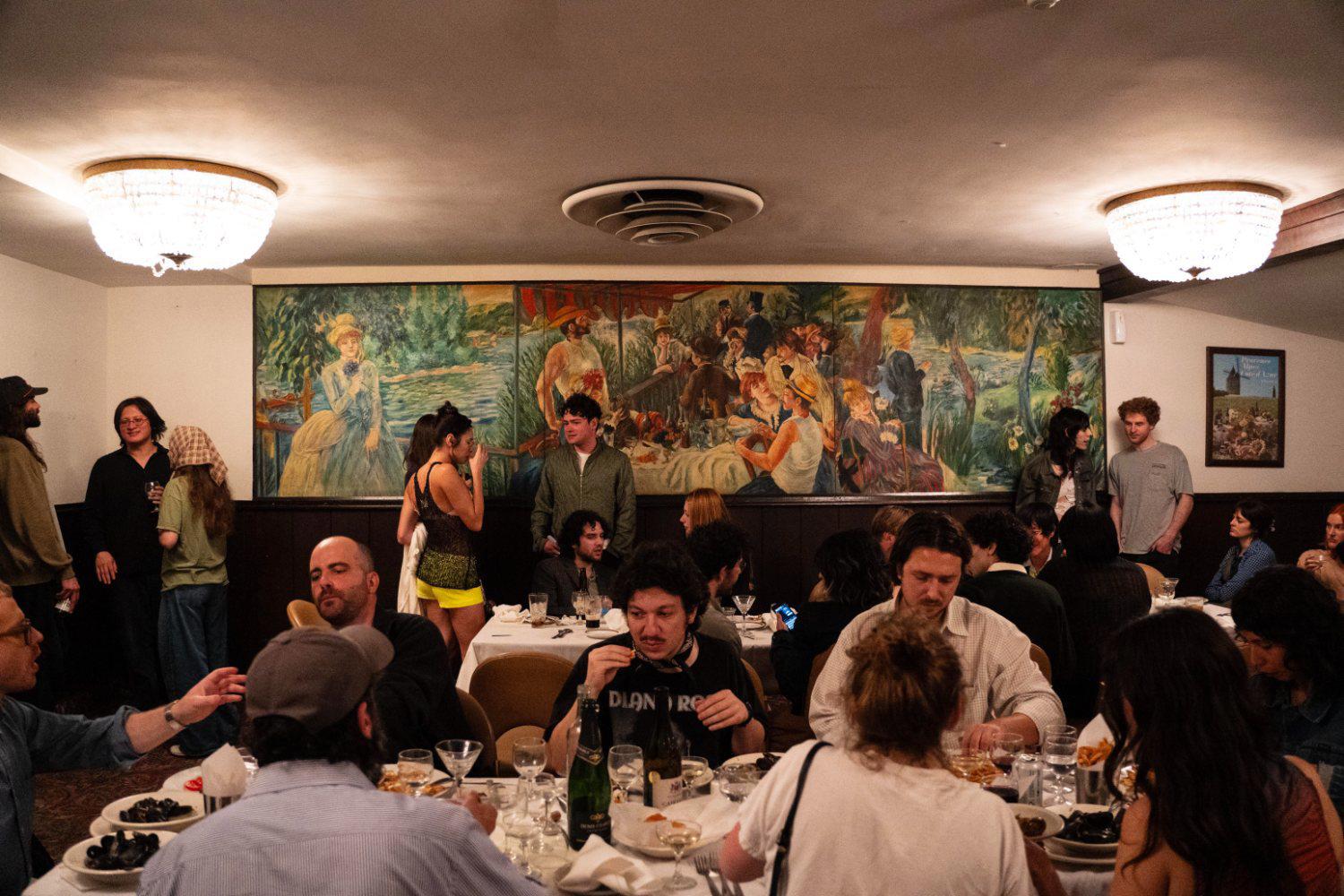
Some restaurants feed you. Some flatter you. A very small number allow you to feel, as soon as you step inside, that your evening has entered a different clock. Taix was one of those places. Long before anyone called a dining room “immersive,” Taix had already mastered the more difficult trick of making time move differently. The booths were generous without being showy. The wood, the banquet-room scale, the low-lit sense of continuation from one decade to the next — all of it encouraged you to stay slightly longer than planned. In Los Angeles, where reinvention is the native language, Taix built its reputation on the opposite virtue: continuity.
That continuity is why its March 29 closure hit so hard. Taix’s official site still presents the restaurant with the steady confidence of an institution — family owned, rooted in 1927, still serving classic French dishes on Sunset Boulevard in Echo Park. But recent reporting made clear that this chapter was ending, at least in the form Angelenos knew best. Eater reported that the landmark French restaurant would close on March 29 as redevelopment moves forward, with a smaller future Taix planned for the base of a new project. The Guardian’s farewell reporting captured what the transactional language of redevelopment cannot: that many people were not just losing a place to order soup or roast chicken. They were losing a room in which decades of their lives had taken shape.
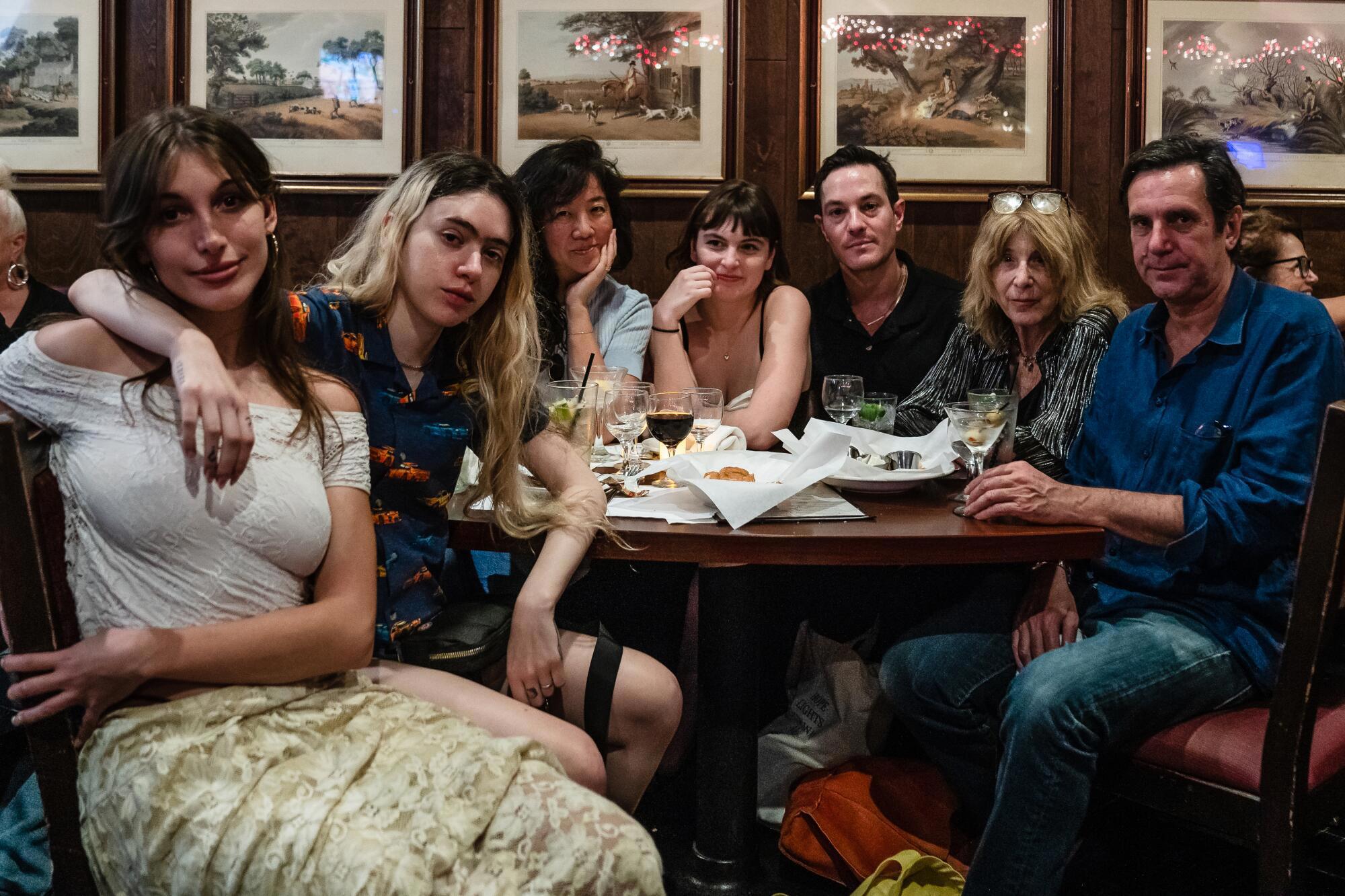
A review of Taix, especially now, has to begin with atmosphere because atmosphere was never decoration here. It was the meal’s first course. Taix felt reassuringly out of step with the current hunger for hard minimalism, maximal gimmickry, or menu concepts designed mainly for social posting. The restaurant’s aesthetic argument was simple: comfort can be dignified. You could imagine birthdays here, post-funeral dinners, first dates that became marriages, or a Wednesday night when nobody wanted to cook but everyone wanted to feel restored. It had scale without coldness. That is rarer than trend forecasting usually admits.
Then there was the menu, whose appeal was less about novelty than about durability. The official Taix materials still point to the signatures that made the restaurant matter to multiple generations: baked French onion soup, escargots de Bourgogne, moules, roast chicken, trout almondine, frog legs, lentils, Nicoise, and the sort of burger that only works because an old-school house trusts its own identity enough not to apologize for serving one. The menu reads like the product of a restaurant that understood how much pleasure there is in being expected. Taix did not need to surprise you every five minutes. It needed to remind you why certain dishes became classics in the first place.
The food itself was never about the sharpest edge in town. That was part of the point. Taix worked through warmth, generosity, and the kind of seasoning logic that serves appetite before ego. French onion soup here was not a conceptual exercise; it was an argument for comfort as craft. The mussels were less about theatrical plating than about the pleasure of broth, bread, and conversation. The roast chicken carried the enduring appeal of a dish that understands exactly what diners are asking from it. Even the menu’s broader spread — from risotto to sesame chicken to anchovies and charcuterie — reflected a seasoned Los Angeles institution’s confidence that regulars contain multitudes.
What made Taix inspiring, though, was the way these dishes interacted with the room around them. In a newer restaurant, a bowl of soup can feel like content. At Taix, it felt like punctuation in an ongoing neighborhood story. You were never just tasting cheese, broth, onion, and toast. You were tasting all the previous nights that had made those flavors meaningful to somebody else. That sounds sentimental, but Taix earned sentiment honestly. It had the architecture of repetition. It invited ritual. Restaurants talk constantly about creating community; Taix made community look almost unforced.
This is also why its loss says something unsettling about Los Angeles dining. Cities do not only lose buildings when places like Taix close. They lose calibration points. Taix told you that old hospitality could coexist with contemporary LA, that a historic dining room could remain useful instead of preserved only as a memory object. When a place with nearly a century of continuity gives way to redevelopment, the practical question is what comes next. The emotional question is what kind of urban memory remains legible once the physical room is gone.
None of this means Taix was frozen in perfection. Part of its charm was that it was imperfect in ways that made it human: broad menu, slightly time-warped ambience, and a sense that the evening might unfold at the pace of the house rather than the pace of your phone. For some diners, that is exactly the luxury. Not optimized. Not frictionless. Not designed by deck. Just genuinely inhabited. In 2026, that can feel almost radical.
If a smaller Taix does return in the future development, it will be welcomed. But it will not automatically reproduce what mattered most. A restaurant is not only recipes, fixtures, or even family ownership. It is accumulated use. It is where the room sits inside people’s biographies. Taix mattered because it absorbed life at scale: parties, grief, flirtation, reunion, local gossip, martinis, comfort food, and the long patience of a city that rarely grants patience to anything.
So how should Taix be reviewed at the end? As a French restaurant, yes, and a very good one in the old Los Angeles sense: generous, atmospheric, deeply usable, proudly unfashionable when that word was actually praise. But also as a civic room. Taix was never just dinner. It was the kind of place that allowed people to feel more attached to the city after leaving than they had when they came in. That is one of the highest things a restaurant can do.
 Add comment
 Edit
 Remove
 Like!
 Dislike


