





 North America
 25.Mar.2026, 09:00, 1st St SE, Washington, DC 20004, Amerikas Savienotās Valstis
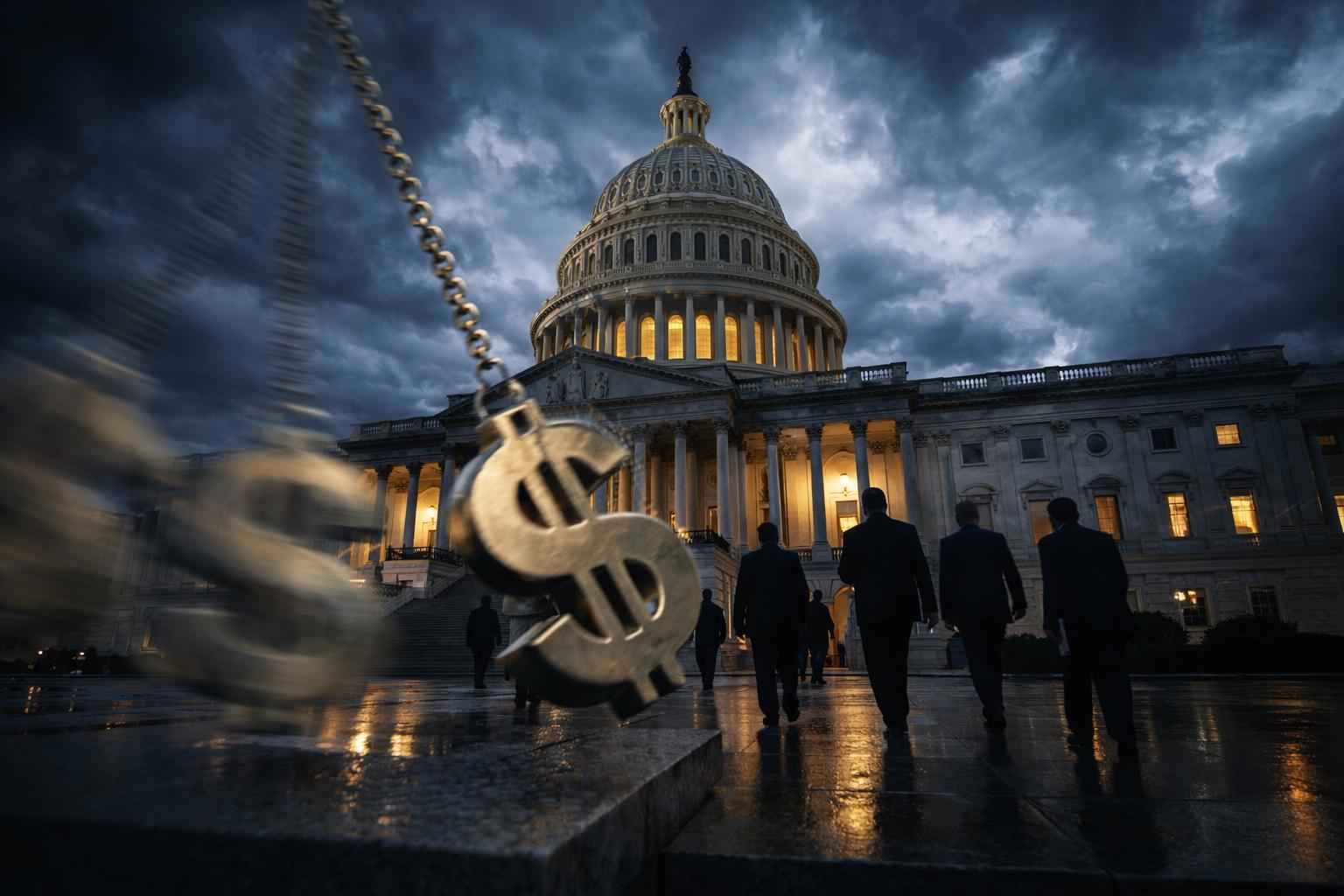
The familiar tension of a looming federal budget deadline has once again settled over Washington, but this time the stakes feel sharper, the divisions deeper, and the consequences potentially more lasting than in recent years.
At the heart of the current standoff is a fundamental disagreement over how the United States should prioritize spending in an uncertain economic climate. With inflation stabilizing but still shaping voter sentiment, lawmakers are navigating a complex terrain where fiscal restraint, social investment, and political positioning intersect.
House leaders have pushed for aggressive spending cuts, particularly targeting discretionary programs, while Senate negotiators are attempting to preserve funding for infrastructure, education, and climate-related initiatives. The White House, meanwhile, has framed the debate as a test of long-term national resilience—arguing that strategic investment today is essential for competitiveness tomorrow.
Behind closed doors, negotiations have been described as “tense but ongoing,” with aides signaling incremental progress. Yet the public rhetoric remains combative, reflecting the broader political climate as the country inches closer to another election cycle.
What makes this showdown different is the growing influence of newer lawmakers—many of whom are less willing to compromise along traditional lines. This generational shift has introduced both unpredictability and a renewed ideological clarity that is reshaping the negotiation dynamics.
For everyday Americans, the implications extend far beyond Capitol Hill. A failure to reach agreement could trigger a partial government shutdown, disrupting services and rattling financial markets. Even a last-minute deal, analysts note, may carry long-term consequences in how federal priorities are structured.
As the clock ticks down, one thing is certain: this is not just a budget debate—it’s a defining moment in how the nation chooses to allocate its resources, reflect its values, and prepare for the challenges ahead.
 Add comment
 Edit
 Remove
 Like!
 Dislike


