Ranked the world’s most sustainable destination, the city has new free
swimming pools, extra theme park attractions and is a beacon of Scandi
design
It’s a
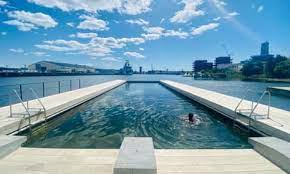
gloriously sunny, if gusty, early-June day at Gothenburg’s new bathing
harbour. My son Zac and I are among the first to brave the elements at
an open-air complex of swimming and diving pools occupying part of
Frihamnen, the city’s docklands that began to fall into disuse in the
1970s.
The unveiling of the pools is part of the city’s
400th-anniversary celebrations, which are taking place throughout the
year – delayed from 2021 because of the pandemic. (The same thing
happened to its 300-year anniversary plans in 1921 in the aftermath of
the Spanish flu pandemic and first world war.) This west coast city
began life as a fortified, mainly Dutch, trading colony founded by King
Gustavus Adolphus and has grown into Sweden’s main fishing port and
second-largest city.
Ten
years ago, Gothenburg asked its citizens what they wanted for its 400th
anniversary, having given them the Liseberg amusement park to mark the
city’s third centenary. This time they said they’d like somewhere to
swim in the inner city, not just in the more affluent areas. The day
that we are there marks the realisation of that dream.
The pools have no bottom, so they are open to the
harbour – there are nets to keep out the seals. But the water is
naturally treated and energy efficient, pumping up clean sea water from
below the harbour water. Also new at the site are thoughtfully designed
children’s playgrounds with giant stone mollusc shells to clamber over,
community-minded open-air pop-ups, such as recycling workshops, a DJ
pavilion, and changing rooms. What’s more, it’s all free. There is, of
course, a sauna too, made from recycling shipping materials (although
this is closed for a refurbishment).
I’ve
long been a fan of Scandi efficiency, design, progressive parenting and
social policies – and cycling – and Gothenburg is a model city in these
respects.
Gothenburg will also soon have a one-line metro loop to further reduce car traffic
Everywhere you look, people hurtle along big wide
bike paths that crisscross the city. While Zac and I don’t join them,
we do spend a Sunday morning pootling around the city’s harbour and
Dutch-style canals in a little self-drive electric boat steered by a wooden rudder, ogling the houseboats, old warships and ferries.
When
we get back to the centre, we glimpse the king and queen of Sweden
arriving at the city hall in a carriage for the anniversary
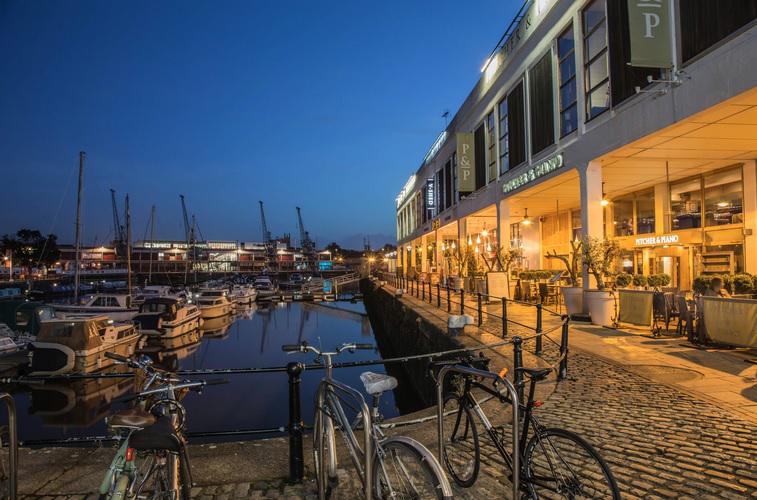
celebrations. Then we stop for a drink on the canal-side terrace of the Havsbaren Tyska Bron.
...When we get back to the centre, we glimpse the king and queen of Sweden arriving at the city hall in a carriage for the anniversary celebrati
...
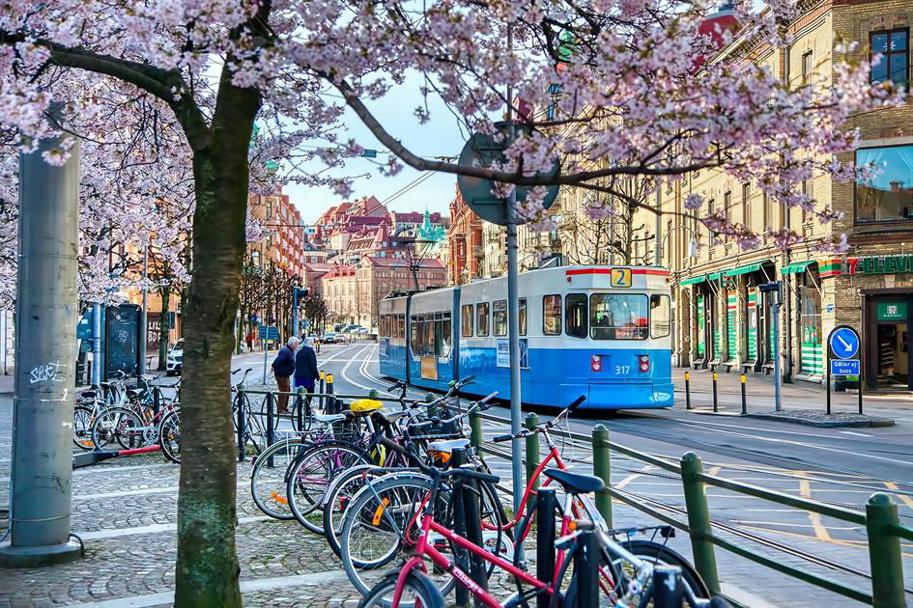
Hopping aboard the city’s blue trams – some charmingly retro, some
modern – is another fun way to get around. Within the next couple of
years, Gothenburg will also have a one-line metro loop to further reduce
car traffic and take people to its airport. It sounds forward-thinking,
but this city has never rested on its laurels: in 2022’s Global Destination Sustainability Index (Link - https://www.gds.earth/awards/) it was named the world’s most sustainable destination, for the sixth time.
It may sound worthy, but Gothenburg, I discover,
is a great place to hang out with a teen. My 15-year-old is a theme-park
fiend, and one reason we’re here is the opening of the Liseberg Grand Curiosa hotel
at the amusement park. Built to look like a traditional pale-brick
Gothenburg building, it’s a fairytale property with quirky features such
as a vintage carousel in the dining hall, a spiral slide that we slid
down from the top floor into the lobby, a Hong Kong-styled restaurant,
and a roof terrace with an outdoor meat grill, and view over the rides.
From next year, it will also have direct access to Oceana, Liseberg’s
water park, which is scheduled to open in May/June.
To
Zac’s delight, our corner room looks on to one of the rides: Europe’s
longest dive coaster, Valkyria. Grand Curiosa is also stylish – unusual
for a theme-park hotel – with botanical or funfair-themed headboards and
cute curtained bunk rooms for children. Each floor is individually
themed, based on the semi-fictionalised jaunts of 18th-century
Gothenburg adventuress Agnes Daler. There is a speakeasy-themed cocktail
bar serving adult treats and freakshakes
for children, and a reception desk fitted with little windows full of
curios to keep small fry entertained while parents are checking in.
Also celebrating a big anniversary – its 100th – this year, Liseberg
theme park packs a punch with its rides, from fairground classics, such
as a ferris wheel, to roaring rollercoasters, including the
seven-inversion Helix. Along the way, we refuel on Swedish meatballs,
mash and lingonberries at Lisebergs Wärdshus (Link - https://www.liseberg.se/mat-dryck/lisebergs-wardshus/) (Zac) and gourmet hotdogs with paprika and garlic sauce at the Korvhallen (Link - https://www.liseberg.se/mat-dryck/korv/) (me).
Although it’s a 15-minute walk from the centre of the city, Liseberg
makes a great base, and two of the city’s best family-friendly museums
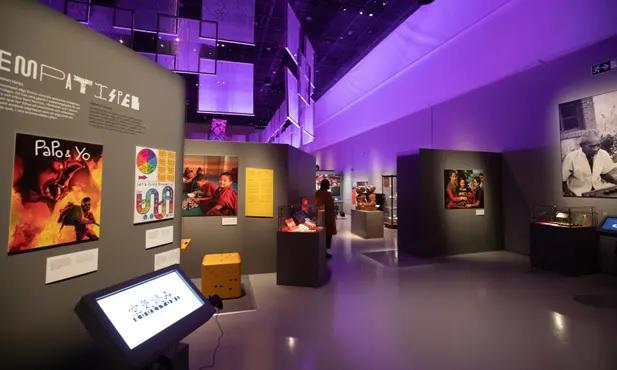
are here, too. The first is the Världskulturmuseet (Link - https://www.varldskulturmuseet.se/)
(Museum of World Culture), where we spend a thought-provoking hour
experiencing its new exhibition, which traces the history of play from
4,000-year-old board games to today’s gaming culture (until August
2024). Beside it, Sweden’s national science centre, Universeum (Link - https://www.universeum.se/), has displays on how the world works, space, technology and sustainability.
...Along the way, we refuel on Swedish meatballs, mash and lingonberries
...
Comments:
You must authorize to comment:





 Europe
 04.Jul.2023, 11:25, Gothenburg, Sweden



 Add comment
 Edit
Edit Remove
 Like!
Like! Dislike


